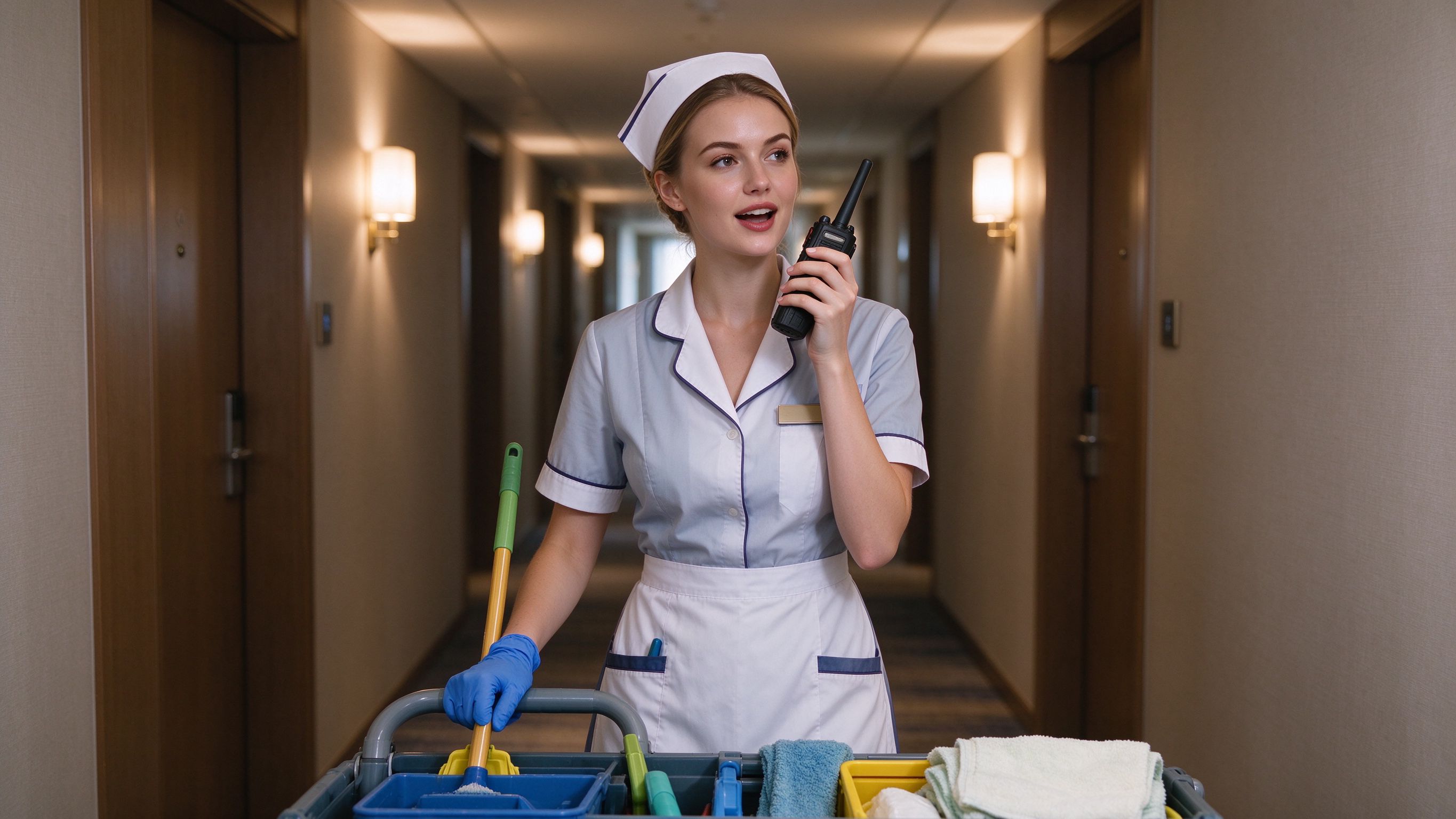
Best Practices for Team Communication in a Busy Restaurant Kitchen and Front of House
Effective communication is the backbone of any successful restaurant. Whether you’re managing a bustling kitchen or coordinating the front of house (FOH) staff, seamless communication ensures smoother operations, higher morale, and better customer experiences. In this article, we’ll dive into the best practices for team communication in a busy restaurant kitchen and front of house, as well as compare tools and strategies that can help streamline the process.
Why Communication Matters in a Restaurant
In a high-pressure environment like a restaurant, poor communication can lead to order mix-ups, delays, unhappy customers, or even unsafe working conditions. A cohesive communication system bridges the gap between the kitchen and the front of house, ensuring that:
- Orders are accurate and timely.
- Customer expectations are met or exceeded.
- Staff members understand their roles and responsibilities.
- Issues are addressed promptly and effectively.
Common Communication Challenges in Busy Restaurants
Before diving into solutions, it’s important to understand the challenges that restaurants often face:
- Noise and Distractions: Busy kitchens and dining areas can be noisy, making verbal communication difficult.
- Stressful Environment: High-pressure situations can lead to short tempers and miscommunication.
- Staff Turnover: New staff members may not be familiar with existing communication protocols.
- Technology Gaps: Some restaurants rely on outdated systems that don’t support modern communication needs.
Best Practices for Team Communication
1. Implement Clear Communication Protocols
Establish a set of communication rules to minimize confusion. For example:
- Use specific phrases for common scenarios (e.g., “86” for out-of-stock items).
- Have a clear chain of command for reporting issues.
- Regularly update staff on menu changes or promotions.
2. Leverage Technology to Your Advantage
Invest in tools designed to improve communication between the kitchen and the front of house. Some top-rated solutions include:
- POS Systems with Kitchen Display Screens (KDS): These systems allow FOH staff to send orders directly to the kitchen, reducing errors.
- Team Communication Apps: Tools like Slack or Microsoft Teams can facilitate quick updates and team collaboration.
- Table Management Software: Apps like OpenTable or Resy help FOH staff manage reservations and communicate with the kitchen about table turnover.
3. Encourage Open Feedback
Create a culture where staff members feel comfortable sharing feedback. This can help identify recurring communication issues and foster a sense of teamwork.
- Hold regular team meetings to discuss challenges and solutions.
- Implement anonymous feedback systems to encourage honesty.
4. Train Staff on Communication Skills
Ensure that all staff members understand the importance of communication and are equipped with the necessary skills:
- Encourage active listening to avoid misunderstandings.
- Train staff to stay calm and professional under pressure.
- Offer role-playing exercises to simulate real-world scenarios.
5. Use Visual Aids and Signage
In noisy environments, visual aids can supplement verbal communication. For example:
- Use color-coded tickets or screens to prioritize orders.
- Place signs in key areas to remind staff of protocols or ongoing promotions.
Product Comparisons: Tools for Effective Communication
To help you choose the right tools for your restaurant, here’s a comparison of some popular communication solutions:
| Tool/Software | Features | Best For | Price Range |
|---|---|---|---|
| Toast POS | KDS, real-time order tracking | Medium to large restaurants | $$ |
| Slack | Messaging, file sharing, notifications | Small teams | Free to $$ |
| OpenTable | Reservation management, guest profiles | Fine dining establishments | $$$ |
| Resy | Table management, analytics | Casual to upscale dining | $$ |
Real-Life Examples of Effective Communication
- Fast Food Chains: Most fast food restaurants use headsets to allow cashiers and kitchen staff to communicate in real-time.
- Fine Dining: Upscale restaurants often hold pre-shift meetings to align kitchen and FOH staff on the evening’s menu and special requests.
- Casual Dining: Many casual dining establishments use POS systems with KDS to ensure orders are accurate and kitchen staff can prioritize tasks efficiently.
Conclusion
Effective team communication in a busy restaurant kitchen and front of house can transform your operations and elevate the customer experience. By implementing clear protocols, leveraging technology, and fostering a culture of open feedback, you can overcome common challenges and create a harmonious, productive environment. Remember, the right tools and strategies can make all the difference, so invest in solutions that align with your restaurant’s unique needs.
FAQs
1. How can I improve communication between the kitchen and front of house?
Invest in technology like POS systems with KDS, establish clear communication protocols, and train staff on active listening and conflict resolution skills.
2. What are the best tools for restaurant communication?
Popular tools include Toast POS for order tracking, Slack for team messaging, and OpenTable for reservation management.
3. Why is team communication important in a restaurant?
Good communication ensures accurate orders, smoother operations, and better customer service, which boosts overall restaurant success.
Tags
- Restaurant Communication
- Front of House Best Practices
- Kitchen Communication Tools