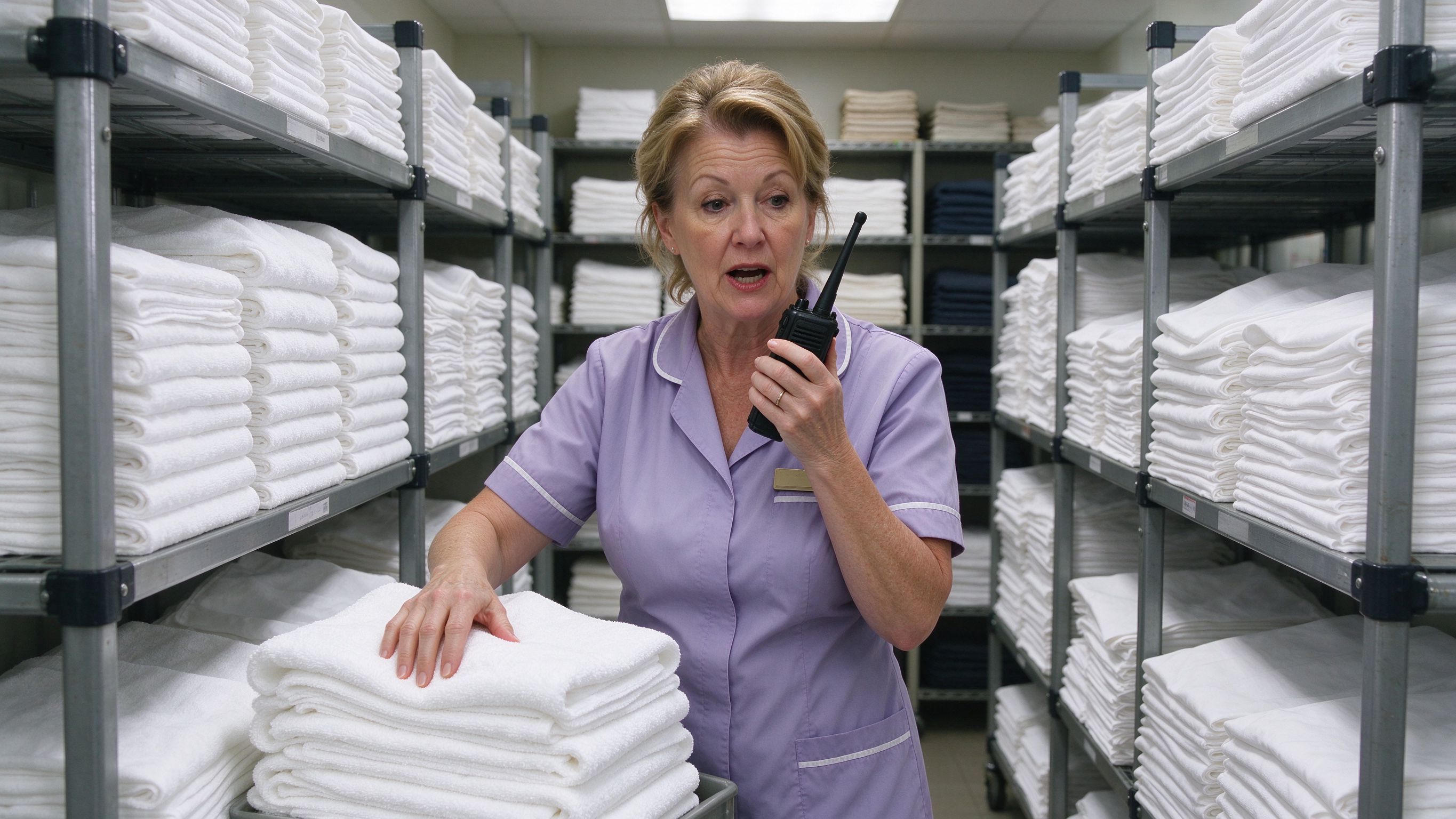
What is a Two-Way Radio?
A two-way radio is a communication device that allows users to transmit and receive voice signals over radio frequencies. Unlike traditional radios, which only receive signals, two-way radios facilitate real-time communication between individuals or groups. These devices are widely used in industries such as construction, emergency services, and outdoor recreation due to their reliability and ease of use.
How Does a Two-Way Radio Work?
At its core, a two-way radio operates by converting voice signals into radio waves, transmitting them to another device, and converting received signals back into audio. Here’s a simplified breakdown of the process:
- Transmission: When you press the Push-to-Talk (PTT) button, your voice is converted into radio waves by the transmitter.
- Frequency Matching: Both radios need to be tuned to the same frequency or channel to communicate effectively.
- Reception: The receiving radio picks up the transmitted waves and converts them back into audio signals.
Modern two-way radios often feature digital technology for clearer communication, longer range, and enhanced security.
Types of Two-Way Radios
There are several types of two-way radios available, each tailored for specific uses:
1. Handheld Two-Way Radios
Also known as walkie-talkies, these portable devices are ideal for personal or professional use. They are commonly used in:
- Hiking and camping
- Event coordination
- Family outings
2. Mobile Two-Way Radios
These are installed in vehicles and are often used by:
- Emergency responders
- Delivery drivers
- Transportation industries
3. Base Station Radios
Fixed two-way radios designed for office or home use. They are typically used in:
- Dispatch centers
- Security control rooms
4. Marine and Aviation Radios
Specialized devices for communication in watercraft and aircraft, adhering to specific frequency regulations.
Benefits of Using Two-Way Radios
Two-way radios offer numerous advantages over other communication tools, particularly in specific environments:
1. Reliability
Unlike mobile phones, two-way radios don’t rely on cellular networks. They work well in remote areas with no signal coverage.
2. Instant Communication
With the Push-to-Talk (PTT) feature, communication is instant, eliminating the need for dialing or waiting for a connection.
3. Cost-Effectiveness
Since there are no monthly service fees, two-way radios are more economical for long-term use.
4. Durability
Most two-way radios are designed to withstand harsh conditions, making them perfect for industries like construction and outdoor activities.
How to Choose the Right Two-Way Radio
When selecting a two-way radio, consider the following factors:
1. Range Requirements
Determine the range you need. For instance, long-range radios are better suited for outdoor adventures, while short-range models work well for indoor use.
2. Frequency Band
- UHF (Ultra High Frequency): Ideal for indoor use as it penetrates walls and obstructions.
- VHF (Very High Frequency): Best for outdoor use, offering greater range in open areas.
3. Power Source
Decide between rechargeable batteries or disposable ones, depending on your usage.
4. Additional Features
Look for features like waterproofing, noise cancellation, and GPS tracking based on your specific needs.
Practical Tips for Using Two-Way Radios
- Test the Range: Before using your two-way radio, test its range to ensure it meets your requirements.
- Use Clear Channels: Avoid crowded frequencies for better communication clarity.
- Keep Batteries Charged: Always have spare batteries or keep your radios charged to ensure uninterrupted communication.
- Follow Regulations: Adhere to local regulations regarding frequency usage to avoid interference.
- Learn the Lingo: Familiarize yourself with common two-way radio terms like “over,” “roger,” and “copy.”
Conclusion
Two-way radios are indispensable tools for reliable and efficient communication in various settings. Whether you’re planning an outdoor adventure, coordinating an event, or managing a team, these devices offer unparalleled convenience and functionality. By understanding the types, benefits, and key features of two-way radios, you can choose the right model to suit your needs.
FAQs
1. What is the difference between UHF and VHF frequencies in two-way radios?
UHF (Ultra High Frequency) is better suited for indoor use as it can penetrate walls and obstacles, while VHF (Very High Frequency) offers longer range in open areas, making it ideal for outdoor use.
2. How far can a two-way radio communicate?
The range of a two-way radio depends on the model and environment. In open areas, some radios can reach up to 30 miles, but this decreases in urban settings with obstructions.
3. Are two-way radios legal to use everywhere?
Yes, but some frequencies require a license. Always check local regulations to ensure compliance.
Tags
- Two-Way Radio
- Communication Devices
- Walkie-Talkies
- Radio Technology
- Emergency Communication